
My Personal Routine That Doubled My Productivity in 2025

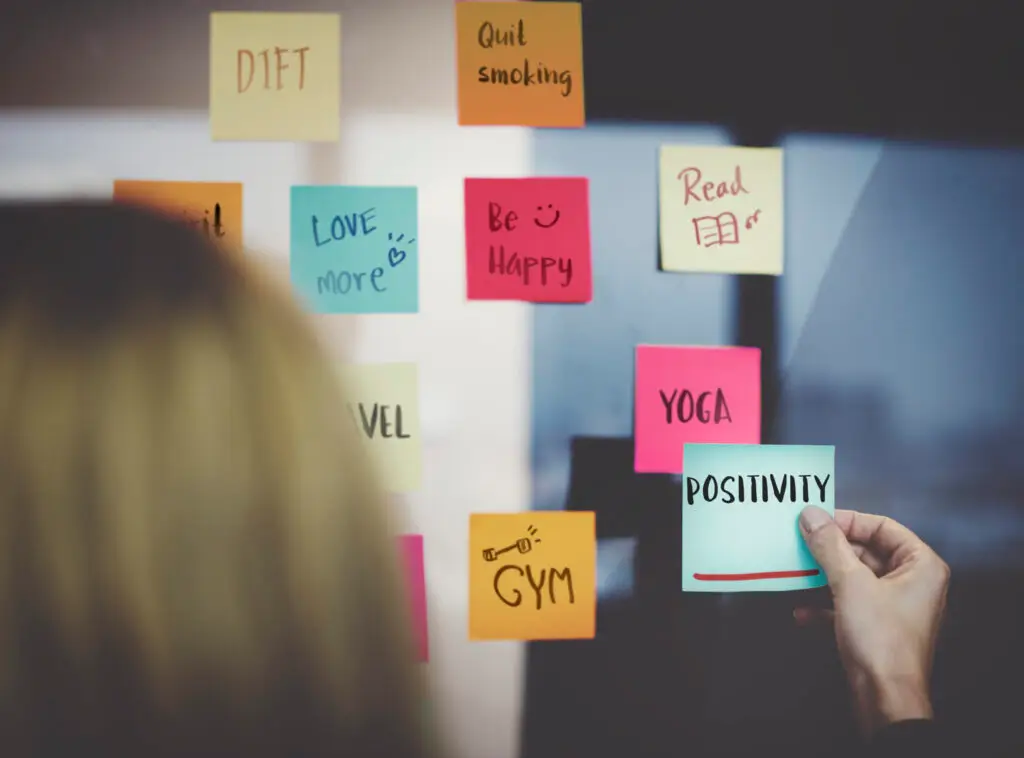
Young adult planning daily goals and personal habits for self-improvement and financial success in 2025 Personal Tips to Improve Life

My Personal Routine That Doubled My Productivity in 2025

By Fin | FinHacksFix

Why I Needed a New Routine

Keywords: routine, productivity, 2025 At the beginning of 2025, I was juggling too many tasks, burning out fast, and constantly feeling behind. I knew I needed a radical shift—not just in how I worked, but how I thought about time, focus, and energy. This article breaks down the simple changes that completely transformed my productivity—helping me get more done in less time, with way less stress.

1. Waking Up Early—Without Burning Out

I used to believe waking up early was only for morning people. But what changed everything was learning that it’s not about waking up early—it’s about sleeping consistently. I started going to bed at the same time every night (10:30 PM) and waking up at 6:30 AM, even on weekends. This one adjustment helped me reclaim my mornings, build a calm start to the day, and completely eliminate the stress of rushing into work mode.

2. The 90-Minute Deep Work Sprint

Instead of trying to grind through 8 hours of scattered productivity, I blocked off a sacred 90-minute session every morning (8 AM–9:30 AM). No phone. No tabs. No distractions. This became the core of my productivity—one focused sprint where I tackled my most important creative or strategic task of the day. That single habit helped me produce more in 90 minutes than I used to do in 4 hours.

3. The One-Thing Rule

Each morning, I ask myself: “What’s the ONE thing that will make today feel like a win?” That becomes my priority—even if everything else falls through. This mindset cut down on overwhelm and decision fatigue. I stopped trying to do 10 things half-way and started doing one thing fully.

4. Time Blocking With Theme Days

Instead of having a chaotic to-do list every day, I began assigning themes to each day of the week. For example:
  • Monday: Admin + planning
  • Tuesday: Content creation
  • Wednesday: Client calls + revisions
  • Thursday: Marketing + growth
  • Friday: Learning + systems
This made my week feel structured, intentional, and focused—less multitasking, more deep progress.

5. Low-Dopamine Mornings

No social media, no emails, no chaos until after 10 AM. I start my day with light stretching, a full glass of water, a slow coffee, and a journal entry or brain dump. Keeping my mornings tech-light made me less reactive, more grounded, and way more in control of my attention throughout the day.

6. The Nighttime Shutdown Ritual

One of my most powerful shifts was building a nightly wind-down routine. At 9:00 PM, I stop all work, dim the lights, stretch for 5 minutes, and write down my wins from the day. Then I make a quick plan for tomorrow—just 3 key tasks. This closes my mental tabs and tells my brain the day is done. My sleep quality skyrocketed, and I stopped waking up already overwhelmed.

7. Moving My Body Every Single Day

I no longer wait for motivation to exercise. I simply made it a rule: every day, I move—whether it’s a 10-minute walk, yoga, a quick home workout, or a bike ride. Movement clears mental fog, boosts creativity, and helps regulate stress hormones. This daily rhythm improved my energy and made my work blocks feel sharper and more intentional.

8. Saying “No” to Random Tasks

In 2025, my biggest productivity gain came from the word “no.” I stopped saying yes to every opportunity, favor, or “quick call.” I created a filter: if something doesn’t align with my main focus or move me forward, it gets a polite decline. This freed up hours of time and gave me space to do work that actually matters.

9. Managing My Energy, Not Just My Time

I realized I’m not productive at all times of the day. So instead of trying to force work when I’m drained, I now schedule my hardest tasks for when my energy is highest—late morning. I save admin and communication for the afternoon slump. Matching energy to tasks doubled the quality of my output without increasing hours worked.

10. Tracking My Week in a One-Page Review

Every Friday, I do a quick “CEO check-in.” I review what I accomplished, what slowed me down, and how I felt. Then I rate the week and write one thing I’ll change next time. This 10-minute ritual helps me spot patterns, stay grounded, and keep momentum without burning out.

11. Weekly No-Work Days (Yes, Really)

One of the most counterintuitive changes I made was scheduling one full day per week where I don’t touch work at all—not even emails. This isn’t just rest; it’s reset. These days helped me recharge mentally, avoid burnout, and return to work more motivated. My mind feels clearer, and ideas flow more easily when I allow space to step back and disconnect completely.

12. Replacing Multitasking With Focus Blocks

I used to think multitasking was efficient—until I realized it made everything slower. Now, I split my day into focus blocks: 60–90 minutes of uninterrupted work, followed by short breaks. During these blocks, I silence notifications, close all tabs, and pick ONE task. It’s simple, but transformative. I get more done, in less time, and feel less drained at the end of the day.

13. Using AI for Planning and Clarity

Instead of wasting time planning or organizing manually, I’ve started using tools like Notion AI and ChatGPT to generate daily task lists, brainstorm content ideas, and even review my own notes. It’s like having a productivity assistant that never sleeps. This small habit has freed up hours and made my systems more consistent—especially when I’m juggling multiple projects.

14. Creating Environment-Based Triggers

My workspace used to be cluttered and distracting. Now, I’ve optimized it for deep focus. A clean desk, a specific playlist, and a standing desk cue my brain: “it’s time to work.” Just like your phone can trigger distraction, your environment can trigger flow. The fewer decisions I make about my space, the more mental energy I save for actual work.

15. Ending the Day With a Personal Win

Every evening, I finish with something just for me: reading 10 pages, a short walk, meditation, or even a mini gratitude list. These moments help me detach from work and reinforce that my productivity isn’t just about output—it’s about how I feel. Ending on a personal win makes each day feel meaningful, even if it wasn’t perfect. That mindset shift has kept me consistent and motivated all year.

16. Turning My Calendar Into a Productivity Map

I stopped using my calendar just for meetings and started using it as a blueprint for my entire day. Every block of time has a purpose: focused work, rest, exercise, meals, even thinking time. Color coding makes it visual and motivating. This gave my days structure and accountability while keeping space for spontaneity and creative bursts.

17. Auditing My Distractions

I took a week to track every time I got distracted—notifications, YouTube rabbit holes, unnecessary messages. Then I eliminated or limited them. I turned off all non-essential app alerts and removed platforms from my phone. Now, I feel more present, and I’m finally working on my terms—not reacting to someone else’s agenda.

18. Automating Repetitive Tasks

Using tools like Zapier, Notion templates, and auto-responders, I automated emails, content workflows, invoice reminders, and even onboarding steps. What used to take 2–3 hours a week now runs in the background. Automation removed small decision fatigue and gave me mental bandwidth to focus on creative and strategic work.

19. Using “Trigger Tasks” to Create Momentum

Some days I wake up feeling off. Instead of trying to force focus, I start with a simple trigger task—something that’s easy and energizing: cleaning my desk, making my bed, organizing my browser tabs. This tiny win breaks inertia and sets the tone for a more productive day ahead.

20. Protecting My Creative Time Like a CEO

I treat my creative time like a VIP meeting. It’s blocked, protected, and uninterrupted. No one schedules over it. No calls. No distractions. This time is sacred—for writing, thinking, designing, and building what matters most. Once I gave myself permission to prioritize creative space, everything else started falling into place.

🔁 Frequently Asked Questions (FAQs)

Q: What’s the best routine to increase productivity in 2025?

A: A daily combination of deep work blocks, low-dopamine mornings, and weekly reflection can greatly boost focus and long-term results.

Q: How do I start a new routine without burning out?

A: Begin with 1–2 small changes—like consistent sleep or time-blocking—and build momentum before adding more habits.

Q: Which tools do you recommend for staying organized?

A: I use Notion, Google Calendar, and Pomofocus for structuring work and staying on task.

📺 Watch My Favorite Productivity Habits in Action

If you want to see how other creators organize their day for peak focus and energy, this video from Deya shares practical tips to build a high-performing freelance routine. 🎥 Watch now: The Complete Beginner’s Guide to Freelancing in 2025 | Deya

Leave a Comment

Your email address will not be published. Required fields are marked *